%2Ffit-in%2F250x250%2Fguide_websites%2F57056%2Fimages%2F1764729805291434848214_122097834998276958_8276667401647376517_n.jpg&w=1920&q=100)
/users/eadb302a-14ab-40b5-9083-dd3f47e63f36/ratecard/480964709_122179170710276958_5154800071485897921_n-mio9lk4q.jpg)
%2F300x300%2Fusers%2Feadb302a-14ab-40b5-9083-dd3f47e63f36%2Fratecard%2F480964709_122179170710276958_5154800071485897921_n-mio9lk4q.jpg&w=256&q=75)
%2F300x300%2Fusers%2Feadb302a-14ab-40b5-9083-dd3f47e63f36%2Fimages%2Fscenic-fishing-adventure-2449.jpg&w=256&q=75)
%2F300x300%2Fusers%2Feadb302a-14ab-40b5-9083-dd3f47e63f36%2Fimages%2Frainbow-trout-new-mexico-fishing-2284.jpg&w=256&q=75)
%2F300x300%2Fusers%2Feadb302a-14ab-40b5-9083-dd3f47e63f36%2Fimages%2Fstunning-new-mexico-landscape-2548.jpg&w=256&q=75)
%2F300x300%2Fusers%2Feadb302a-14ab-40b5-9083-dd3f47e63f36%2Fimages%2Fnew-mexico-outdoor-adventure-2495.jpg&w=256&q=75)
Extended San Juan River Fly Fishing Adventure
 San Juan River
What you will be catching:
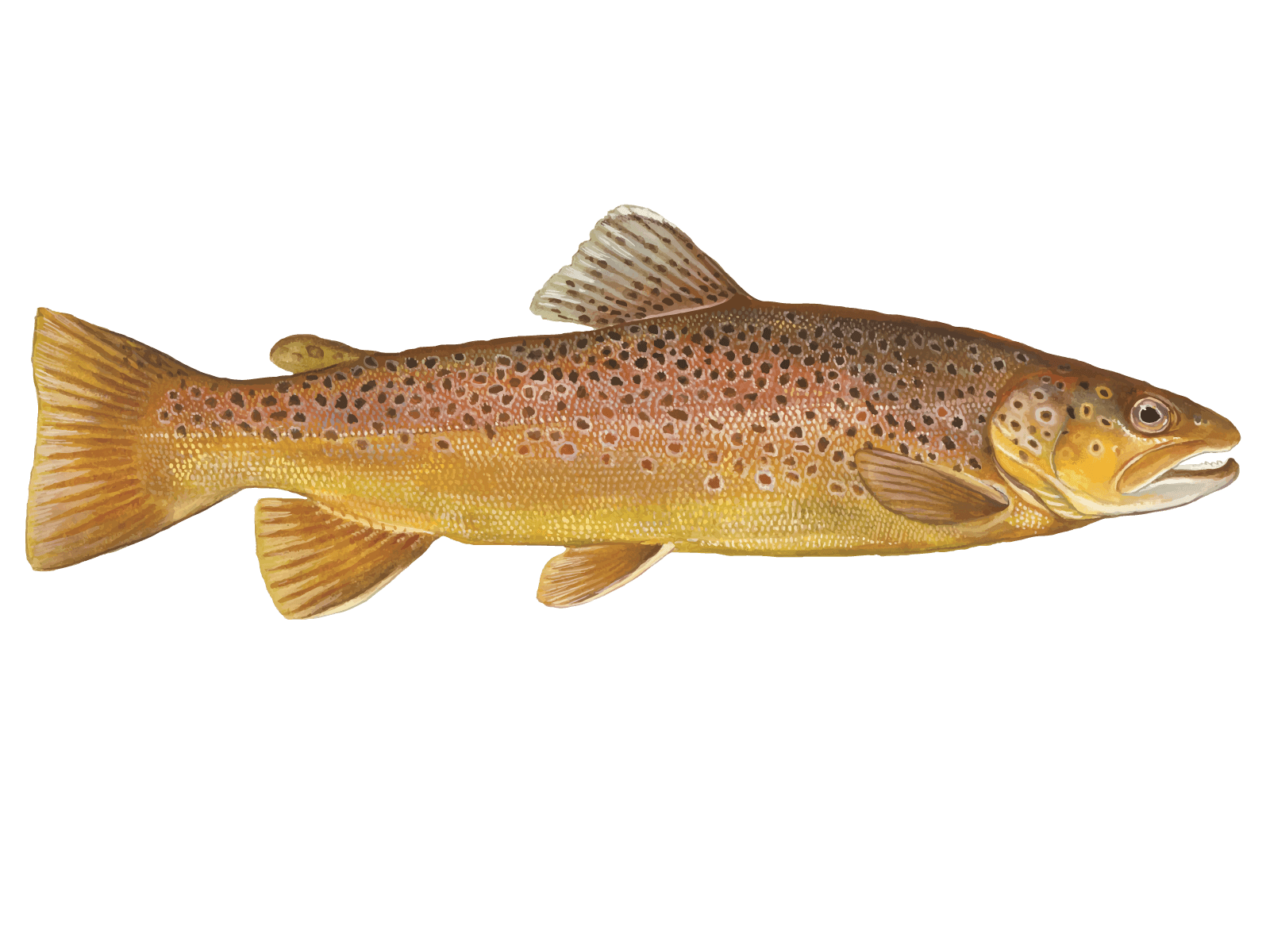
 Brown Trout
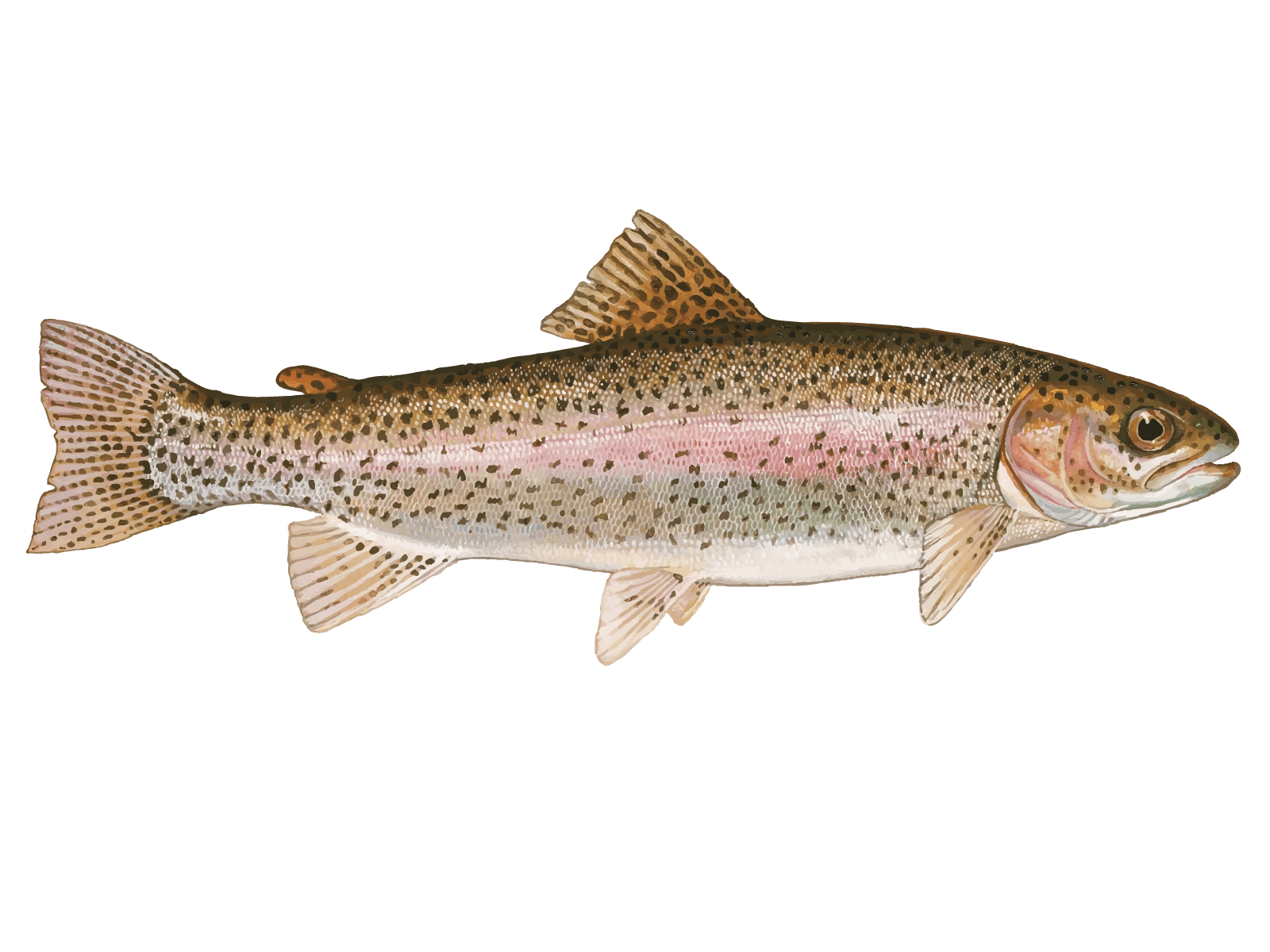
 Rainbow Trout
- Extends full-day Red Chile trip with additional guided hour
- Targets productive rainbow and brown trout fishing locations
- Accommodates maximum two anglers for personalized instruction
Trip Pricing and Availabilities:
San Juan River Fly Fishing Add On
Sometimes an hour makes all the difference between a good day and a great one. This San Juan River add-on is built for folks who just can't get enough of those productive drifts and want to squeeze every bit of learning out of their time with Rock. You're already locked into the full-day Red Chile trip, but now you're thinking—why not stretch it out a little longer? Smart move. That extra hour on the San Juan gives you more shots at both rainbow and brown trout, plus the chance to really dial in your technique without feeling rushed. It's just you in the boat, so Rock can focus entirely on your casting, your reads, and helping you connect with some quality fish before calling it a day.
What to Expect on the Water
This isn't a separate trip—it's an extension of your full-day adventure that keeps the momentum rolling. After spending the day learning the San Juan's rhythms, Rock uses this bonus hour to hit the spots that were firing earlier or explore sections you didn't have time to reach. Maybe there's a particular run where fish were showing but the timing wasn't right, or a pocket of water that looked promising but got passed over. Now's your chance to work it properly. You'll stay in the same boat setup, which means plenty of room to cast and move around without bumping elbows with another angler. Rock knows this river like the back of his hand, so he's always got a backup plan for where the trout might be holding. The beauty of this add-on is that you're already warmed up, your timing's dialed, and you know what to expect from the water.
Techniques and Tackle
By the time you're into this add-on hour, you've already been working with Rock's preferred San Juan setups all day. We're talking small flies, light tippets, and precise presentations that match what these educated trout want to see. The San Juan fish have seen every pattern in the book, so it's all about subtlety and getting that drift just right. Rock might switch up the rig based on what's been producing, or stick with what's been working if the bite's been consistent. You'll likely be fishing nymphs under an indicator, but don't be surprised if he suggests swinging soft hackles through some of the deeper runs. The key here is patience and precision—these aren't aggressive fish that slam flies, they're careful feeders that require clean presentations and good line management. Since you've been at it all day, your muscle memory's already there, which means you can focus on the finer points of reading water and anticipating strikes.
Species You'll Want to Hook
Rainbow trout on the San Juan are the bread and butter, and they've got a well-deserved reputation for being both beautiful and challenging. These aren't your typical mountain rainbows—they're thick, healthy fish that average 14 to 18 inches, with some pushing well into the 20s. They feed consistently throughout the day but can be incredibly picky about fly selection and presentation. What makes them special is their conditioning; they're strong fighters that use the current to their advantage, making even a 16-inch fish feel like a monster. The best action typically happens during stable weather periods, and Rock knows exactly which runs hold the most fish at different times of day. When you hook into a quality San Juan rainbow, you'll understand why anglers travel from all over the country to fish this water.
Brown trout are the wildcards that make every cast exciting. They're less common than the rainbows but tend to run bigger, with fish in the 18 to 22-inch range being fairly typical and true giants lurking in the deeper holes. Browns are ambush predators that like structure—undercut banks, fallen timber, and boulder fields where they can tuck in and wait for food to drift by. They're also more aggressive than the rainbows, which means when they decide to eat, they really commit to it. Fall months bring out their spawning colors and feeding behavior, making them more active and willing to chase flies. Rock has a sixth sense for brown trout water and knows how to position the boat for the best drifts through their favorite lies. Landing a San Juan brown is always a highlight, whether it's your first or your fiftieth.
Time to Book Your Spot
Look, you're already investing in a full day on one of the country's top-rated tailwater fisheries. Why not make the most of it? This add-on hour gives you the chance to really cement everything you've learned and potentially land that fish of the day when the pressure's off and you're fishing relaxed. Rock's got decades of experience on the San Juan, and having that extra time with him means more personalized instruction, more water covered, and more opportunities to connect with quality trout. The San Juan doesn't give up its fish easily, but persistence pays off here more than anywhere else. That extra hour might be exactly what you need to turn a good trip into one you'll be talking about for years. Remember, deposits are non-refundable, so once you're committed to the Red Chile trip, adding this extension is a no-brainer for serious anglers who want to maximize their time on world-class water.
Learn more about the species
Brown Trout
Brown trout on the San Juan are smart, selective fish that'll test your skills. These golden-brown beauties average 14-18 inches here, with some pushing over 20. They love deeper pools and undercut banks where they can ambush food drifting by. Fall and winter are prime time when they're feeding heavily before spawning. What makes them special? They fight hard and smart - expect long runs and head shakes that'll keep your drag singing. The meat is excellent too, with a rich, nutty flavor. Pro tip for the San Juan: fish your nymphs dead drift through the deeper runs, and don't be afraid to go smaller on your flies. These fish see a lot of pressure, so downsizing to size 20-22 flies often makes the difference between watching fish and catching them.
Rainbow Trout
Rainbow trout are the bread and butter of San Juan River fishing, and for good reason. These silver-sided fighters typically run 12-16 inches, with that classic pink stripe really popping in our clear water. You'll find them throughout the river - from shallow riffles to mid-depth runs where they actively feed on drifting insects. Spring through fall offers consistent action, but they stay active year-round in our stable flows. What guests love most is their aggressive strikes and acrobatic fights - these fish will jump and run like crazy on light tackle. The pink meat cooks up beautifully too. Here's a local trick: when the water's gin-clear like it usually is, focus on the foam lines and seams where different currents meet. That's where rainbows set up to feed, and a well-presented nymph in those zones will often get hammered.
About the Drift Boat
%2F%2Fusers%2Feadb302a-14ab-40b5-9083-dd3f47e63f36%2Fvehicle_picture%2F1-mimfoeaf.jpg&w=1920&q=75)
Vehicle Guest Capacity: 2