%2Ffit-in%2F250x250%2Fguide_websites%2F57056%2Fimages%2F1764729805291434848214_122097834998276958_8276667401647376517_n.jpg&w=1920&q=100)
/users/eadb302a-14ab-40b5-9083-dd3f47e63f36/ratecard/469217137_122160902918276958_5092229648755698655_n-mioa68us.jpg)
%2F300x300%2Fusers%2Feadb302a-14ab-40b5-9083-dd3f47e63f36%2Fratecard%2F469217137_122160902918276958_5092229648755698655_n-mioa68us.jpg&w=256&q=75)
%2F300x300%2Fusers%2Feadb302a-14ab-40b5-9083-dd3f47e63f36%2Fimages%2Fscenic-fishing-adventure-2449.jpg&w=256&q=75)
%2F300x300%2Fusers%2Feadb302a-14ab-40b5-9083-dd3f47e63f36%2Fimages%2Frainbow-trout-new-mexico-fishing-2284.jpg&w=256&q=75)
%2F300x300%2Fusers%2Feadb302a-14ab-40b5-9083-dd3f47e63f36%2Fimages%2Fstunning-new-mexico-landscape-2548.jpg&w=256&q=75)
%2F300x300%2Fusers%2Feadb302a-14ab-40b5-9083-dd3f47e63f36%2Fimages%2Fnew-mexico-outdoor-adventure-2495.jpg&w=256&q=75)
Winter Fly Fishing on San Juan River
 San Juan River
What you will be catching:
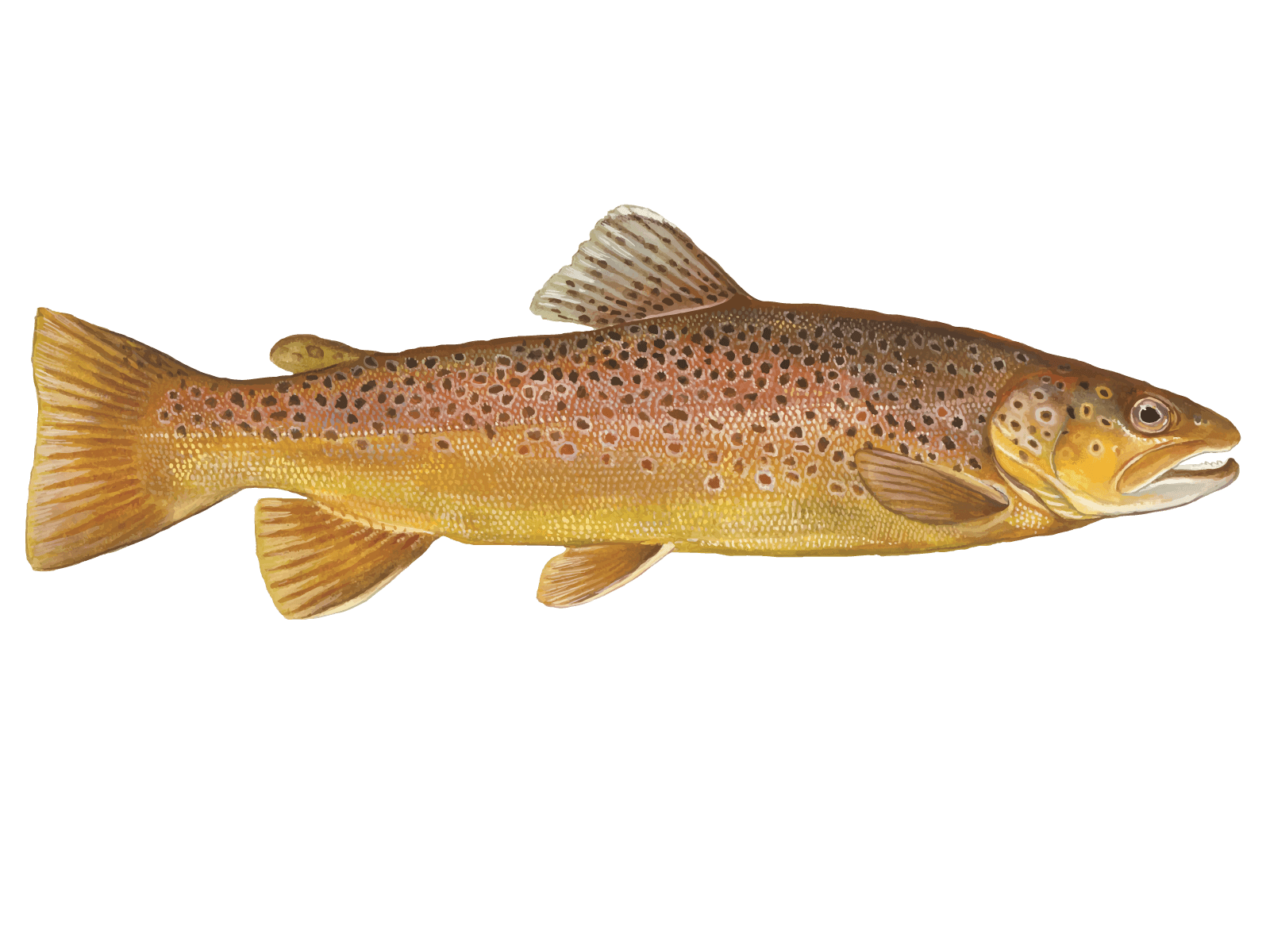
 Brown Trout
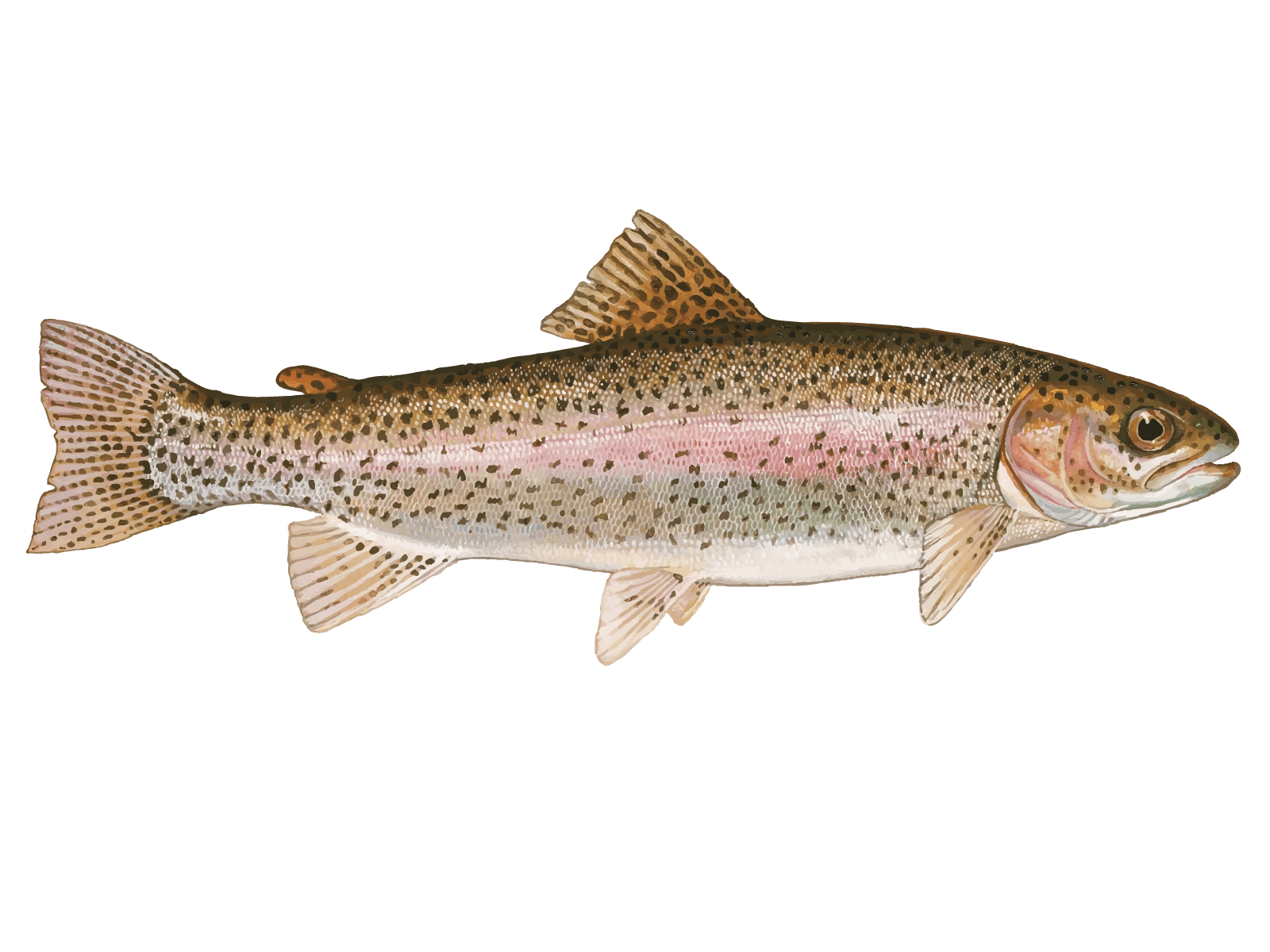
 Rainbow Trout
- Six-hour winter fly fishing trip targets Rainbow and Brown Trout
- Expert guide provides cold-weather techniques in productive holding water
- Low river traffic ensures focused instruction and peaceful fishing experience
Trip Pricing and Availabilities:
San Juan River Winter Fly Fishing
Winter fly fishing on the San Juan River is something special – when the crowds thin out and the water settles into that perfect winter rhythm, you get a completely different experience than the busy summer months. This six-hour trip is designed for two anglers who want to really dial in their technique and enjoy some quality time on one of New Mexico's most productive tailwaters. Your guide knows exactly where those trout hole up when the temperatures drop, and you'll spend the day learning how to read winter water and present flies with the precision these cold-water fish demand. The pace is relaxed, the instruction is focused, and the fishing can be absolutely phenomenal when you get it right.
What to Expect on the Water
The San Juan River in winter transforms into a completely different fishery than what you'll find during peak season. Your guide will position the boat in those deeper, slower pools where trout congregate when the water temperatures drop – these fish aren't moving much, but they're still feeding if you can get your drift just right. You'll work on dead-drifting small nymphs and midges through these holding areas, focusing on getting your flies down to where the fish are sitting. The beauty of winter fishing here is that when you find fish, you often find numbers of them stacked up together. Your guide will help you read the subtle takes and set the hook on fish that are feeding much more delicately than they do in warmer months. The boat stays comfortable even when it's cold outside, and with fewer anglers on the water, you'll have prime spots mostly to yourself. This trip really shines for anglers who want to improve their nymphing game and learn how seasonal changes affect both fish behavior and fishing tactics.
Winter Techniques & Gear
Winter fly fishing requires a completely different approach than summer tactics, and your guide will walk you through everything you need to know. You'll be working primarily with small nymphs, midges, and egg patterns – think sizes 18-22 – presented with precise weight and indicator setups. The key is getting your flies down into the strike zone and maintaining perfect drag-free drifts through slower water. Your guide will show you how to read the subtle indicator movements that signal winter takes, which can be much more delicate than the aggressive hits you might expect during warmer months. The San Juan's winter flows are typically lower and clearer, so stealth becomes crucial – you'll learn proper boat positioning and how to approach fish without spooking them. Mending techniques become even more important when the current is slower, and your guide will help you master the small adjustments that make the difference between getting ignored and hooking up. All the technical gear is provided, including the specialized indicators and weight systems that work best for winter conditions on this river.
Top Catches This Season
The San Juan River's rainbow trout are the stars of the winter show, and these fish have some serious shoulders on them thanks to the river's incredible midge and scud populations. Most rainbows here run between 16-20 inches, with plenty of fish pushing into the low twenties – these aren't your typical stocked trout. They've been feeding on the San Juan's rich invertebrate life for years, developing that classic football shape that makes them such strong fighters. Winter is actually one of the best times to target the river's larger rainbows because they're concentrated in predictable holding water and feeding regularly on midges and small nymphs. When you hook one of these fish in cold water, they'll make long, powerful runs that'll test your drag system. The best part about San Juan rainbows is their consistency – your guide knows exactly where to find them, and on a good winter day, you might land a dozen or more quality fish.
Brown trout on the San Juan are a different beast entirely – more selective, more aggressive when hooked, and generally larger than their rainbow cousins. These fish average 18-22 inches, with some real monsters lurking in the deeper pools that can push 24 inches or better. Winter browns are particularly rewarding because they're often holding in specific structure where your guide can position you for repeated presentations. Unlike rainbows that might move around feeding lanes, big browns often claim a piece of prime real estate and defend it. When you hook a winter brown, expect violent head shakes and bulldogging runs toward cover – they know every snag and undercut bank in their territory. The satisfaction of fooling a selective San Juan brown with a perfectly presented size 20 midge is hard to beat, and your guide will put you on the spots where these fish are most likely to cooperate.
Time to Book Your Winter Spot
This winter fly fishing trip offers something you just can't get during busy season – personalized instruction, uncrowded water, and some of the most consistent trout fishing you'll find anywhere. The San Juan River's winter fishery is world-class, but it takes local knowledge and proper technique to make it productive. Your guide brings years of experience reading this water in all conditions, and you'll leave with skills that'll make you a better angler on any river. Whether you're looking to improve your nymphing technique, learn winter-specific tactics, or just enjoy a peaceful day catching quality trout, this trip delivers exactly what serious fly fishers are looking for. The six-hour format gives you plenty of time to really dial in your approach without feeling rushed, and with only two anglers on the boat, you'll get the focused attention that makes the difference between an okay day and an outstanding one. Winter dates fill up with repeat customers who know how good this fishing can be, so don't wait too long to secure your spot on one of the Southwest's premier tailwaters.
Learn more about the species
Brown Trout
Brown trout are the wary veterans of the San Juan, running 12-20 inches on average but with some real bruisers pushing 24+ inches. These golden-backed fighters love deeper pools and undercut banks, especially during winter when they settle into slower holding water. They're notoriously spooky and selective, making them a real challenge that keeps experienced anglers coming back. Winter is actually prime time since they're less pressured and more predictable in their feeding windows. The meat is firm and flavorful - some say the best-eating trout around. My go-to tip: when you spot a good brown, don't rush it. Take time to watch its feeding rhythm and match your drift perfectly to that zone. Patience beats aggressive casting every time with these smart fish.
Rainbow Trout
Rainbows on the San Juan typically run 14-18 inches and are absolute acrobats when hooked - expect multiple jumps and strong runs that'll test your drag. They prefer the current seams and riffles but move to deeper, slower water during winter months. Unlike browns, rainbows are more willing to chase flies and less spooky overall. Winter fishing can be outstanding since they group up in predictable spots and feed steadily through the day. The pink flesh is excellent eating with that classic trout flavor. These fish respond well to small nymphs and emergers. Here's a local trick: when the water's cold, slow down your retrieve and let your flies dead-drift longer. Rainbows will often follow for several feet before committing, so patience with your presentation pays off big.
About the Drift Boat
%2F%2Fusers%2Feadb302a-14ab-40b5-9083-dd3f47e63f36%2Fvehicle_picture%2F1-mimfoeaf.jpg&w=1920&q=75)
Vehicle Guest Capacity: 2